Boating on Grand Lake
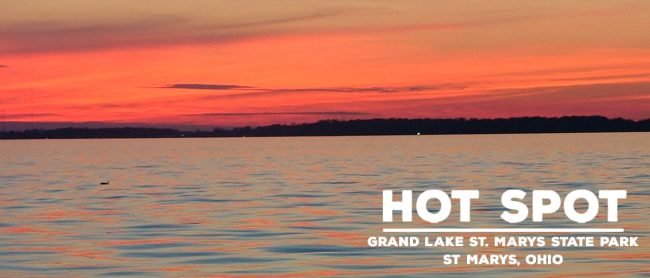
With 13,500 acres of open water and 52 miles of shoreline, Grand Lake St. Marys is a paradise for boating enthusiasts. From leisurely pontoon cruises to waterskiing and recreational boating, the lake offers plenty of room for adventure. Eight state-operated boat ramps provide convenient access, and the lake allows unlimited horsepower with designated no-wake areas near the shoreline.
Fishing Adventures
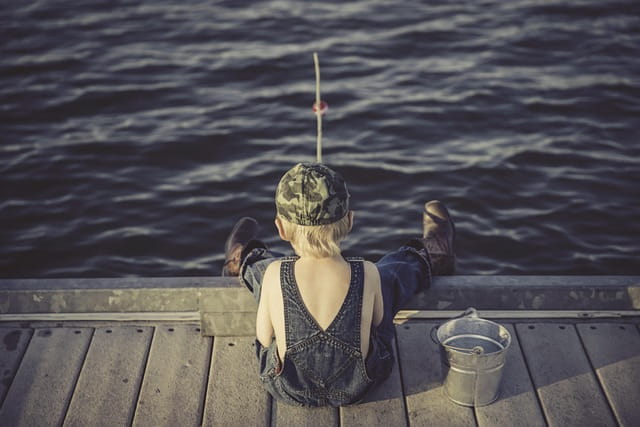
Anglers will find plenty of reasons to bring their fishing gear. Grand Lake is home to largemouth bass, crappie, bluegill, walleye, catfish, yellow perch, and other freshwater species. Accessible fishing areas on both the East and West Banks make it easy to spend a peaceful morning casting a line while enjoying beautiful lake views.
Swimming & Beach Fun
When summer temperatures rise, the park’s four public swimming beaches offer a refreshing way to cool off. Families can enjoy a day of swimming, relaxing along the shoreline, or gathering for a picnic. Registered campers also have access to additional water recreation amenities, including a campground splash pad. Visitors should check current water quality advisories before swimming.
Scenic Hiking & Biking Trails
Discover the natural beauty surrounding Grand Lake on the park’s walking and biking trails. The 1.2-mile West Bank Trail and 1.4-mile East Bank Trail offer paved, accessible paths with scenic waterfront views. Campers can also explore the 0.65-mile Red Wing Hiking Trail, which winds through the campground. These trails are excellent for morning walks, family bike rides, and sunset photography.
Wildlife Watching & Birding
Grand Lake St. Marys lies along an important bird migration route, attracting a remarkable variety of wildlife throughout the year. Birdwatchers may spot herons, egrets, ducks, swans, ospreys, and even bald eagles. The surrounding wetlands, woodlands, and wildlife refuge provide excellent opportunities for nature photography and peaceful wildlife observation.
A Glimpse Into Ohio’s Canal History
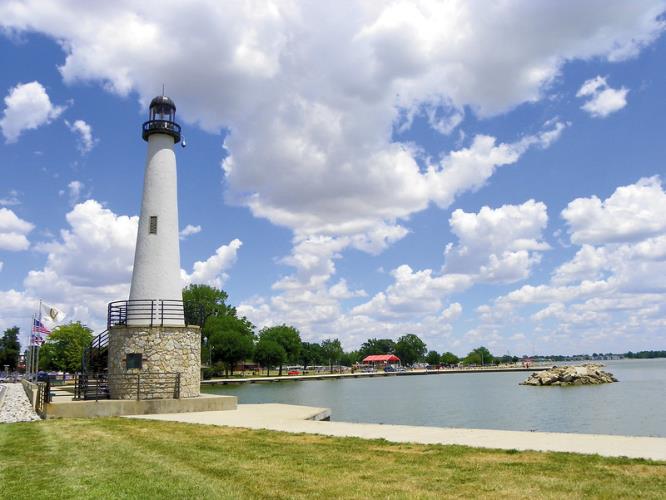
Grand Lake St. Marys has a fascinating past that reaches back nearly two centuries. Construction began in 1837, when workers dug the enormous reservoir by hand to supply water to the Miami & Erie Canal. Completed in 1845, it was considered the largest man-made lake in the world at the time. Today, visitors can explore portions of the historic canal corridor and discover how this remarkable engineering achievement helped shape western Ohio.